
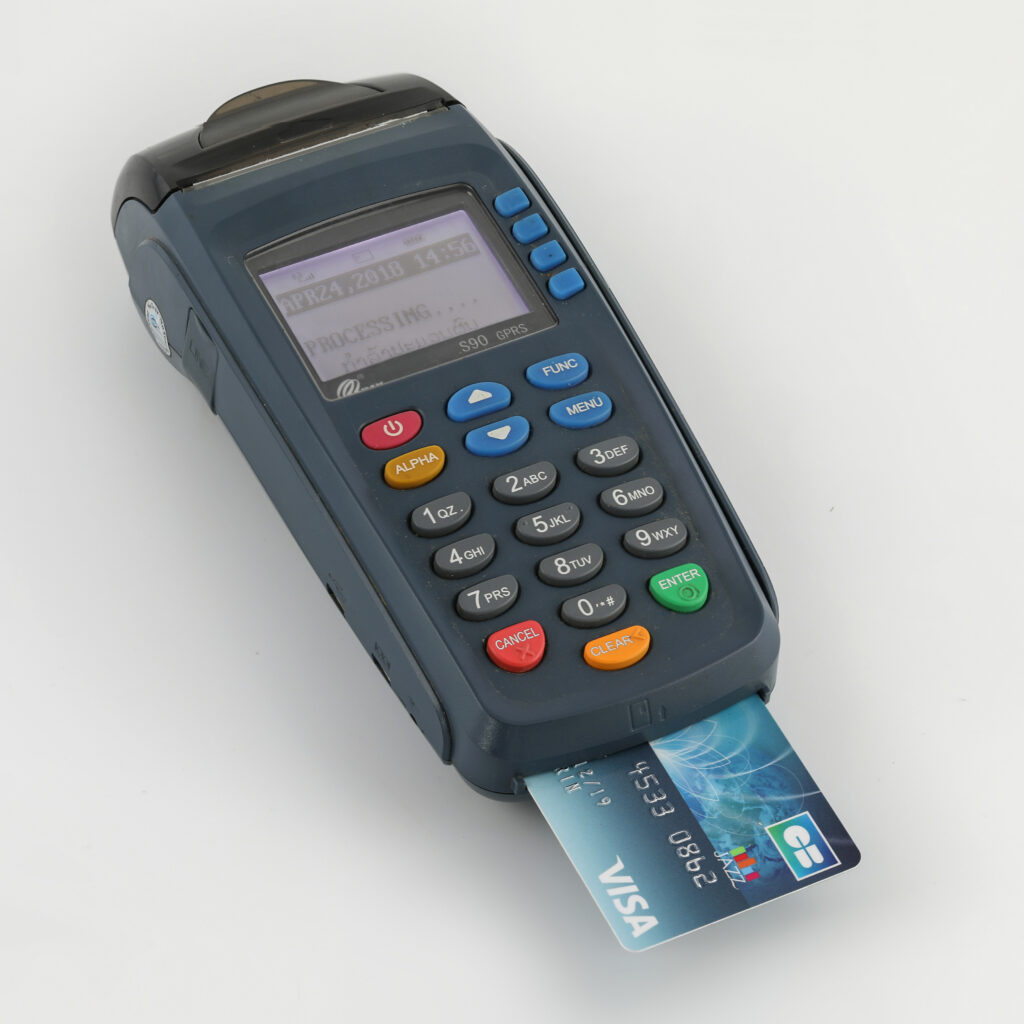
The best secured credit cards combine a low or no annual fee, a low minimum deposit, reporting to all three credit bureaus, and a clear path to graduating to an unsecured card. Below is a breakdown of the top categories of secured cards on the market and what to look for in each, so you can match a card to your specific situation instead of just picking the first one you see.
Not sure how secured cards work in the first place? Start with our beginner’s guide to secured credit cards before comparing options below.
How We Evaluate Secured Cards
Every card in this comparison is judged on the same five factors:
- Bureau reporting — does it report to all three major bureaus (Equifax, Experian, TransUnion)?
- Minimum deposit — how much cash do you need upfront to open the account?
- Annual fee — is there a yearly cost on top of the deposit?
- Graduation path — does the issuer have a track record of automatically reviewing accounts for an unsecured upgrade?
- Extras — rewards, credit-score tracking tools, or other features that add real value.
Always verify current rates, fees, and deposit requirements directly on the issuer’s official website before applying — these details change over time and vary by applicant. We don’t rank based on which issuer pays the highest affiliate commission; see our Advertising Disclosure for how compensation works on this site.
Best for Low Minimum Deposit
If cash flow is tight, prioritize cards with a low minimum opening deposit — some issuers allow you to start with as little as $49–$200, compared to competitors that require $200 minimum or more. A lower deposit means a lower starting credit limit too, so weigh that trade-off: a smaller limit means you’ll want to keep spending very low to maintain a healthy utilization ratio. The Capital One Platinum Secured Card stands out here since it can sometimes approve a credit limit above your actual deposit — read our full review for details. See also our dedicated roundup of the lowest-deposit secured cards if this is your top priority.
Best for No Annual Fee
Since the entire goal of a secured card is building credit rather than earning rewards, an annual fee is money that doesn’t need to leave your pocket. Several major secured cards charge $0 per year indefinitely, not just as an introductory offer — confirm this distinction, since some cards waive the fee only for the first year. We cover this in more depth in our dedicated guide to $0-fee secured cards.
Best for Fast Graduation to Unsecured
Some issuers are known for proactively reviewing secured accounts every 6–12 months and automatically refunding the deposit once you qualify for an unsecured card — no reapplication needed. Look for issuers that publish a clear, published review timeline rather than vague language like “may be eligible in the future,” which offers no real commitment. The Discover it Secured Card is a strong example, with automatic reviews starting around month eight — see our full review for how it works.
Best for Earning Rewards While Building Credit
A small number of secured cards offer cash-back rewards on top of credit building — typically a flat rate (for example, 1–2%) on purchases, or bonus categories like gas and groceries. These are worth considering if you’re going to use the card for everyday spending anyway, but don’t let rewards outweigh the fundamentals (fee, deposit, bureau reporting) when comparing cards. Discover it Secured is the clearest example of this combination — see our full Discover it Secured review.
Best for No Credit Check Required
Most secured cards still run a credit check during the application, which can result in a hard or soft inquiry. If you’re specifically trying to avoid any credit check — for example, right after a bankruptcy discharge or with a very thin file — a small number of issuers approve secured card applications without pulling your credit at all, relying solely on your ability to fund the deposit and verify identity and income. The OpenSky Secured Visa is the best-known option in this category — read our full review for details.
Best for a Major Bank, No-Frills Option
If you’d rather not weigh a rewards structure and just want a simple, reliable secured card from an established national bank, the Citi Secured Mastercard is a solid default choice — see our full review.
Best If You Don’t Have a Deposit Ready Right Now
If you don’t have a few hundred dollars available upfront for a traditional deposit, the Self Visa Secured Credit Card takes a different approach — you build toward eligibility through smaller monthly payments instead of a lump sum. Read our full review to see how the process works.
Best for Credit Unions
Credit unions often offer secured cards with more flexible underwriting and lower fees than large national banks, but usually require you to become a member first (sometimes with a small one-time membership fee or a minimum savings deposit). If you already bank with a credit union, check their secured card offering before looking elsewhere — member-focused institutions are sometimes more willing to work with thin or damaged credit files. See our full guide to credit union secured cards.
How to Choose Between These Categories
| Your Priority | Look For |
|---|---|
| Limited cash available now | Low minimum deposit |
| Long-term cost control | $0 annual fee, permanently |
| Want to move to unsecured quickly | Published automatic review timeline |
| Will use the card for daily spending | Cash-back rewards secured card |
| Avoiding any credit inquiry | No-credit-check secured card |
| Already a credit union member | Credit union secured card |
A Note on Comparing RPM and Rewards Marketing
Marketing materials for secured cards often lead with rewards percentages or sign-up perks, since that’s what catches attention. For a product whose real job is building your credit file, that ordering is backwards. Bureau reporting and fee structure determine whether the card does its actual job; rewards are a bonus on top, not the deciding factor. Read the issuer’s terms and conditions page, not just the marketing page, before applying.
What to Avoid
- Cards that don’t report to all three bureaus — if a lender you apply to in the future pulls a bureau your card doesn’t report to, your credit-building effort won’t show up.
- High application or processing fees charged separately from the refundable deposit — these are non-refundable and add real cost.
- Vague graduation language with no defined review period.
- Monthly maintenance fees, which some lower-quality secured cards charge on top of the annual fee.
- Marketing that implies guaranteed approval without mentioning any underwriting criteria at all — read the actual eligibility requirements.
Related Guides
If you have no credit history at all, see our picks for best credit cards for no credit history. If you’re rebuilding after a bankruptcy specifically, our step-by-step bankruptcy recovery guide covers timing and card eligibility in detail. For a side-by-side on the fundamentals, see our complete guide to how secured cards work.
Frequently Asked Questions
Is a higher deposit always better?
Not necessarily. A higher deposit gives you a higher credit limit, which can help your utilization ratio — but only if your spending stays proportionally low. A large deposit sitting behind a card you barely use doesn’t build credit any faster than a smaller one used consistently and paid on time.
Can I have more than one secured card at a time?
Yes, though it’s rarely necessary for credit-building purposes alone. One well-managed secured card, used consistently and paid in full, is typically enough to build a solid credit history within a year.
Will I lose my deposit if I’m late on a payment?
A single late payment won’t automatically forfeit your deposit — but it will be reported to the credit bureaus and can lower your score. Deposits are typically only used to cover an unpaid balance if the account goes into default.
How do I know which card is right for my specific situation?
Start from your biggest constraint — cash available, wanting to avoid a credit check, or wanting rewards — and match it to the category above rather than trying to optimize every factor at once. See our situation-specific guides for no credit history, low scores, and post-bankruptcy applicants.
A Note on Timing Your Application
Secured card offers and their specific terms are periodically updated by issuers — a deposit minimum or fee structure you see referenced elsewhere may have changed by the time you apply. Rather than treating any single figure as fixed, use this comparison to identify which category of card fits your situation, then confirm the exact current numbers on the issuer’s own application page before submitting anything. This two-step approach — decide on category first, verify specifics second — avoids the common mistake of anchoring on an outdated number found in an older review.
Choosing Among the Best Secured Credit Cards
There is no single winner here, and any site that names one is simplifying. The best secured credit cards for a reader with $200 to spare and a 540 score are not the same ones that suit a reader with no credit check tolerance or no deposit at all. Match the category to your constraint first, then compare the individual cards inside it.
Sources and Further Reading
- CFPB: Credit Reports and Scores
- CFPB: How Do I Get and Keep a Good Credit Score?
- myFICO: What Is in Your Credit Score
This article is for general educational purposes and isn’t financial advice. Card terms, fees, and deposit requirements change and vary by applicant — always confirm current details on the issuer’s official website before applying. See our Advertising Disclosure for how this site is compensated.