
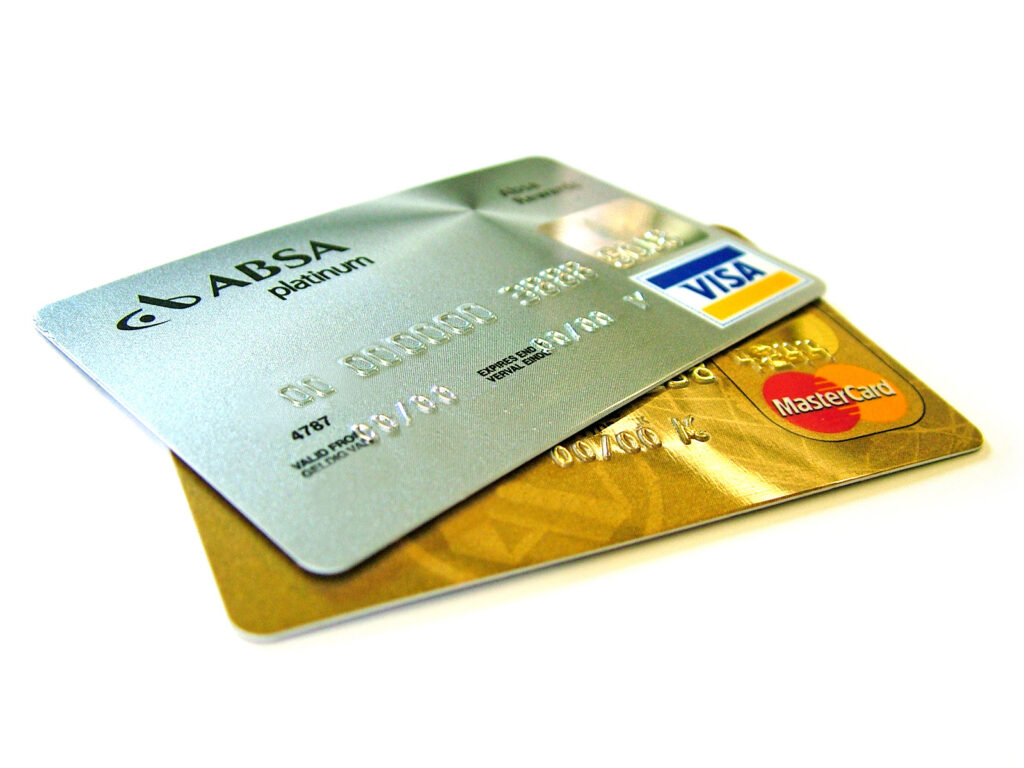
A secured credit card works like a regular credit card, except you provide a refundable cash deposit upfront that typically becomes your credit limit — that deposit is what lets people with no credit history or bad credit get approved, and using the card responsibly builds a credit history that eventually qualifies you for a traditional unsecured card. The question most people ask first is simple: how does a secured credit card work once the deposit is paid? The sections below answer it step by step.
If you’ve been turned down for regular credit cards, or you simply don’t have a credit history yet, a secured card is usually the fastest legitimate path into the credit system. This guide walks through exactly how they work, what they cost, how the money actually moves, and how to use one to actually move your score — not just hold a card and hope.
What Makes a Credit Card “Secured”?
The word “secured” refers to how the card is backed. With a normal (unsecured) credit card, the bank extends you credit based purely on your creditworthiness — your income, credit history, and score. There’s nothing physically backing that credit line except the bank’s assessment of risk.
A secured card flips that: you provide a cash deposit to the issuer, held as collateral. If you never pay your bill, the issuer can use that deposit to cover what you owe. Because the bank’s risk is covered by your own money, it can approve applicants who wouldn’t qualify for an unsecured card — including people with no credit file at all, a low score, or a recent bankruptcy.
This is the same basic logic banks use for secured loans of any kind — a car loan is “secured” by the car, a mortgage is “secured” by the house. A secured credit card is simply the version where cash, rather than an asset, sits behind the line of credit.
How the Deposit Actually Works
- You choose the deposit amount (within the issuer’s minimum and maximum, commonly starting around $200 and going up several thousand dollars).
- Your deposit usually equals your credit limit. Put down $300, and your limit is typically $300 — though a few issuers offer limits slightly higher than the deposit for qualifying applicants.
- The deposit is refundable, not a fee. You get it back when you close the account in good standing or when the issuer upgrades you to an unsecured card.
- It’s held by the bank, not spent. You still have to pay your monthly bill like any credit card — the deposit isn’t drawn down as you spend.
- It typically sits in an interest-bearing or FDIC-insured account at the issuing bank, separate from your available credit line, though the specifics vary by issuer.
A Worked Example: What a Full Cycle Looks Like
Say you open a secured card with a $300 deposit, which sets your credit limit at $300. In month one, you put a $25 streaming subscription on the card. Your statement closes with a $25 balance — that’s roughly 8% utilization, comfortably in the “good” range. You pay the $25 in full before the due date. The issuer reports that activity to the bureaus: an open account, a $300 limit, an $25 balance at close, paid on time.
Repeat that for six to eight months with zero missed payments, and two things typically happen: your score starts reflecting a genuine track record, and — if your issuer offers it — your account may come up for an automatic review to graduate you to an unsecured card, at which point your $300 deposit is refunded because the account no longer needs collateral to back it.
Does a Secured Card Actually Build Credit?
Yes — but only if the issuer reports your activity to the credit bureaus, which the large majority of secured cards do. Every month, the issuer sends a report to Equifax, Experian, and/or TransUnion showing your balance, credit limit, and whether you paid on time. That reporting is what actually builds your credit file. A secured card that doesn’t report to at least one major bureau is nearly useless for credit-building — always confirm bureau reporting before applying for any card, no matter what it’s called or how it’s marketed.
It’s worth double-checking this even for well-known issuers, since reporting practices can change, and a handful of niche or newer products emphasize the “card” part of the pitch while burying the reporting details in the fine print.
Step-by-Step: Using a Secured Card to Build Credit
- Apply and fund your deposit. Most issuers let you complete this online in one sitting, and you’ll typically know within minutes whether you’re approved.
- Make small, regular purchases — a recurring subscription or gas is enough. You don’t need to spend a lot; you need consistent activity.
- Pay the statement balance in full every month if possible. Carrying a balance doesn’t help your score faster — it only costs you interest.
- Keep your utilization low. Try to use less than 30% of your limit at any time (ideally under 10%). See our full guide to credit utilization for why this matters so much.
- Never miss a payment. Payment history is the single largest factor in your score — one 30-day-late payment can undo months of progress.
- Watch for the graduation point. Many issuers automatically review your account after 6–12 months of responsible use and offer to refund your deposit and convert you to an unsecured card.
- Track your progress. Most issuers give you free access to a credit score inside their app — check it monthly, not daily, so you can see the trend without obsessing over noise.
What Does a Secured Card Cost?
Beyond the refundable deposit, look at three cost factors before applying:
- Annual fee: Some secured cards charge $0/year; others charge a fee, sometimes justified by rewards or faster graduation timelines. Compare this against what you’re getting.
- APR: This only matters if you carry a balance. Since the entire point of a secured card is credit-building, plan to pay in full every month and the APR becomes largely irrelevant to you.
- Other fees: Application fees, monthly maintenance fees, or foreign transaction fees vary by issuer — always read the card’s official terms before applying, since these change and vary card to card.
Secured Card vs. Other Credit-Building Options
A secured card isn’t the only way to build credit — credit-builder loans and authorized-user status are two common alternatives, and many people combine more than one. Read our comparison of the best secured cards on the market right now to see how the leading options stack up, or check our guide on rebuilding credit after bankruptcy if that’s your specific situation.
Common Mistakes That Slow You Down
- Maxing out the card. Spending close to your limit spikes your utilization ratio and can lower your score even if you pay on time.
- Applying for several cards at once. Each application triggers a hard inquiry, which can ding your score slightly and looks risky to lenders when clustered together.
- Closing the account too early. Length of credit history matters — if the card has no annual fee, there’s often little downside to keeping it open even after you graduate to other cards.
- Assuming all secured cards are equal. Deposit minimums, fees, and graduation policies vary significantly between issuers.
- Ignoring the statement closing date. Paying your balance the day after your statement closes, instead of before, means a higher balance gets reported for that cycle even though you’re not carrying debt.
Frequently Asked Questions
How long does it take to build credit with a secured card?
Most people see a credit score appear within 30–60 days of their first reported statement, since that’s how long it takes for a new account to show up on your credit file. Meaningful score improvement with consistent on-time payments and low utilization typically takes 6–12 months.
Do I get my deposit back?
Yes, as long as your account is in good standing. You get the deposit back if you close the account with a zero balance, or if the issuer upgrades you to an unsecured card.
Can I get a secured card with no credit history at all?
Yes — this is one of the main use cases for secured cards. Because your deposit covers the issuer’s risk, most secured cards don’t require any prior credit history to qualify, though some still run a credit check as part of the application.
Is a secured card the same as a prepaid card?
No. A prepaid card is not a credit product and does not build credit, because there’s no borrowing involved. A secured credit card is a real credit account that gets reported to the credit bureaus — that distinction is exactly why one builds your score and the other doesn’t.
What credit score do I need to qualify for a secured card?
Generally none — that’s the entire point of the product. Most secured card issuers approve applicants regardless of score, as long as the deposit is funded and identity verification passes.
Can I upgrade my deposit later to raise my limit?
Some issuers allow additional deposits over time to increase your credit limit. Confirm this directly with your specific card issuer, since it’s not a universal feature.
How Does a Secured Credit Card Work Once You Are Approved?
Once the account opens, the mechanics are identical to any other credit card: you spend, a statement arrives, and you pay it. The deposit simply sits in the background as the issuer’s protection. Understanding how does a secured credit card work at the reporting level matters more than the deposit itself, because it is the monthly report to Equifax, Experian, and TransUnion that actually moves your score.
Sources and Further Reading
- CFPB: Credit Reports and Scores
- CFPB: How Do I Get and Keep a Good Credit Score?
- myFICO: What Is in Your Credit Score
This article is for general educational purposes and isn’t financial advice. Terms, fees, and requirements vary by issuer and change over time — always confirm current details on the issuer’s official site before applying. See our Advertising Disclosure for how this site is compensated.