
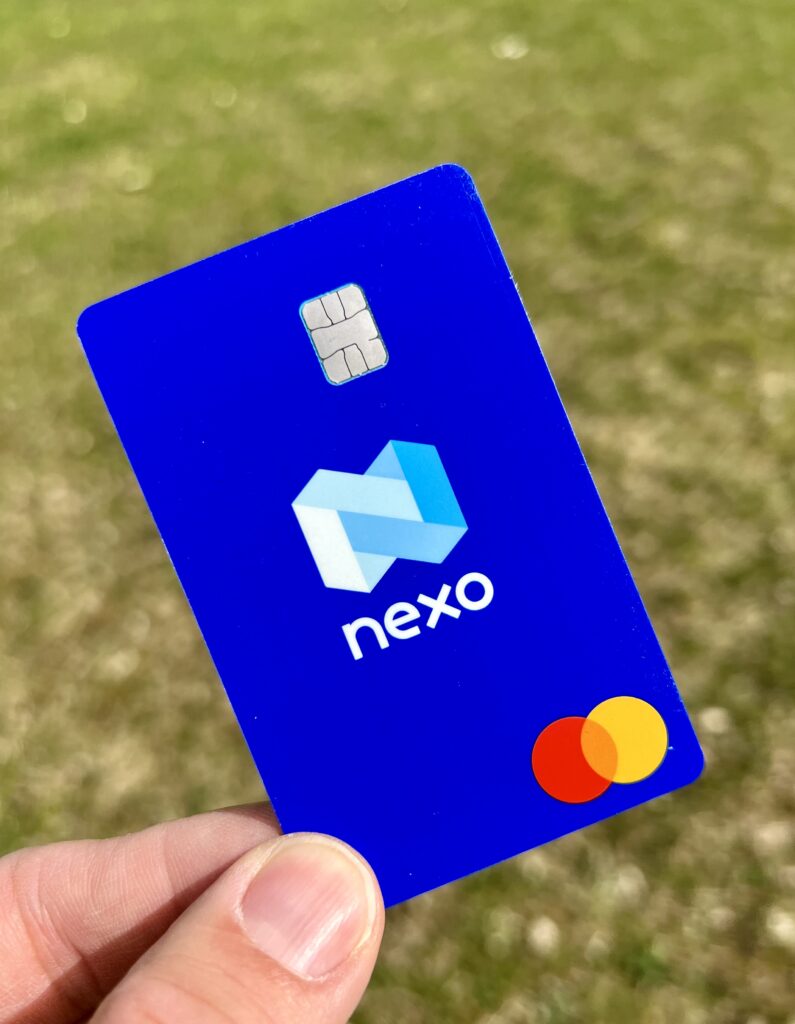
Most prepaid debit cards don’t report to the credit bureaus and won’t build your credit, because loading your own money onto a card doesn’t involve borrowing. A small number of specialized products combine prepaid-style features with an actual credit-reporting component — but you should always verify, in writing, exactly which bureaus they report to before relying on one. Which prepaid cards that report to credit bureaus actually exist, and what to use instead, is covered below.
Prepaid cards are popular with people who don’t have a bank account, who want to control spending or who have been declined for credit. Because they look and work like credit or debit cards, many people assume they help their credit score. For standard prepaid cards, that assumption is wrong. This guide explains why, how to spot the exceptions, how prepaid, debit, secured and credit-builder products differ, and which options actually build credit if you prefer a prepaid-style experience.
Why Most Prepaid Cards Don’t Build Credit
A credit score measures how you manage borrowed money. A standard prepaid card doesn’t involve any borrowing: you load funds, spend them and reload. There’s no credit line, no monthly bill and no payment that could be late. Without a lending relationship, there’s nothing meaningful for a card company to report to the credit bureaus, so most prepaid cards simply don’t report at all. You can use one responsibly for years and still have no credit history.
How Card Types Compare
| Type | Whose Money | Borrowing? | Reports to Bureaus? | Builds Credit? |
|---|---|---|---|---|
| Standard prepaid card | Yours, loaded in advance | No | Generally no | No |
| Debit card | Yours, from a bank account | No | No | No |
| Secured credit card | Issuer’s credit line, backed by your deposit | Yes | Usually all three | Yes |
| Credit-builder card or hybrid | Varies by design | Structured as credit | Varies — confirm | If it reports |
The Exceptions: Products Built to Report
A few products blend prepaid-style convenience with a genuine credit component. Some pair a spending account with a small secured credit line that reports your payments. Others work like the Chime Credit Builder card, where you move your own money into a secured account that backs your spending, and the product is structured as a credit account that reports to the bureaus. These can be useful, but they’re not ordinary prepaid cards, and their reporting practices vary.
How to Verify a Product Before Relying On It
- Read the product’s official terms and FAQ for a clear statement about credit bureau reporting.
- Look for the specific bureaus named — Equifax, Experian and TransUnion — rather than vague phrases like “may help your credit.”
- Contact customer service and ask directly which bureaus receive reports and what information is reported.
- After two or three months of use, pull your free credit reports to confirm the account actually appears.
If You Want a Reliable Alternative
A traditional secured credit card guarantees the thing most prepaid cards lack: a real credit account reported to the bureaus. Because your refundable deposit backs the credit line, approval is accessible even with no history. You still get spending control — your limit is typically equal to your deposit — but every on-time payment builds your file. See our guide to how secured cards work.
If you don’t have a bank account, some secured cards accept alternative funding methods. See our guide to building credit without a bank account.
Frequently Asked Questions
Can I tell by looking at a card whether it reports to the bureaus?
No. You have to check the official terms or ask the company directly.
Is a secured card always better than a prepaid card for building credit?
For credit building, yes — a secured card is a true credit account that reports to the bureaus.
Do prepaid card fees affect my credit?
No, but they can make prepaid cards expensive compared with a no-fee secured card.
Can I use a prepaid card and a secured card together?
Yes. Some people use a prepaid card for daily budgeting and a secured card for one small bill to build credit.
A Realistic Example
Tyrone has used a reloadable prepaid card for four years to pay bills and manage his budget. He’s never missed a reload and never overdrawn it, so he’s shocked when a landlord tells him he has no credit file at all. After learning that standard prepaid cards don’t report to the bureaus, he keeps his prepaid card for daily budgeting but opens a secured credit card with a $200 deposit. He moves his $30 phone bill to the secured card, sets up automatic payment in full and connects Experian Boost for his utilities. Within five months, he has a credit score for the first time. His prepaid card still helps him budget — it simply was never going to build credit on its own.
Why the Confusion Is So Common
Prepaid, debit, secured and credit-builder cards often look identical: same card networks, same plastic, same tap-to-pay experience. Marketing can blur the lines further with phrases like “take control of your credit” or “build financial health,” which sound like credit building but may not involve any reporting at all. The key difference isn’t how the card looks or where it’s accepted — it’s whether there’s a lending relationship that gets reported. If you’re not borrowing, even briefly, there’s almost certainly nothing to report.
Costs to Watch on Prepaid Cards
Standard prepaid cards can carry monthly fees, reload fees, ATM fees and inactivity fees. Over a year, these can add up to more than the cost of a no-fee secured card, whose only upfront requirement is a refundable deposit. If your main goal is building credit, it’s worth comparing total annual cost, not just convenience. Many people find that a no-fee bank account combined with a secured card costs less and accomplishes more than a prepaid card alone.
Do buy now, pay later plans count as prepaid?
No. They’re short-term financing, and credit reporting for these plans varies by provider and is still evolving. Don’t rely on them to build credit.
Who Uses Prepaid Cards — and What They Can Do Instead
People without a bank account often rely on prepaid cards for everyday spending. If that’s you, a secured card that accepts alternative deposit funding, or a credit union savings account paired with a share-secured loan, can start a credit file while you keep using a prepaid card for budgeting.
People who want strict spending control like that a prepaid card can’t be overdrawn. A secured card offers similar control, because your limit usually equals your deposit, and you can keep only one small bill on it. Some credit-builder cards go further by letting you spend only what you’ve moved into a secured account.
Parents setting up teens sometimes use prepaid cards to teach budgeting. Adding a teen as an authorized user on a well-managed parent card can build credit history as well, while a prepaid card handles day-to-day spending lessons.
People who were declined for credit sometimes turn to prepaid cards as a substitute. A secured card is usually still available even after declines, because the deposit covers the issuer’s risk.
Combining Prepaid Convenience With Real Credit Building
You don’t have to give up a prepaid card you find useful. A simple, effective setup is to keep the prepaid card for daily spending and budgeting, open a no-fee secured card for one small recurring bill paid in full each month, and add free tools such as Experian Boost to report utility payments. The prepaid card handles convenience; the secured card and alternative data handle credit. See our guide to the fastest ways to build credit for the complete approach.
What to Do if You’ve Been Relying on a Prepaid Card for Years
If you’ve used prepaid cards for a long time and have little or no credit history, the fastest path is to open a reporting account now. Your good habits with a prepaid card — never overspending, always reloading on time — translate directly into managing a secured card well. Within three to six months, you can have a first credit score, and within a year, many people qualify for mainstream cards. See our timeline for building credit from zero.
Can I turn my prepaid card into a credit-building tool?
Not directly. A standard prepaid card can’t be converted into a reporting credit account. To build credit, you’ll need to open a secured card, a credit-builder loan or another product that reports to the bureaus.
Why Prepaid Cards That Report to Credit Bureaus Are So Rare
A prepaid card involves no borrowing, and credit reporting exists to record how you handle borrowed money. Genuine prepaid cards that report to credit bureaus therefore barely exist; the products marketed that way are usually secured cards or builder loans wearing a different label.
Sources and Further Reading
- CFPB: Credit Reports and Scores
- CFPB: Credit Report vs. Credit Score
- USA.gov: Credit Reports and Scores
This article is for general educational purposes and isn’t financial advice. Product structures and reporting practices vary and change. See our Advertising Disclosure for how this site is compensated.